


What is LoRaWAN?
LoRaWAN is a low-power, bidirectional wireless communication technology for transmitting a low volume of data over long distances.
LoRaWAN is one of the de facto IoT standards. Leveraging its long range, low power capabilities, and growing ecosystem of sensors and applications, LoRaWAN is the perfect choice for Industry 4.0, Smart City, Building Management, etc. applications.
Using LoRaWAN networks, you can acquire information from any location in your installation without deploying costly infrastructures, either by setting up your own self-managed network or by subscribing to an operator’s network.
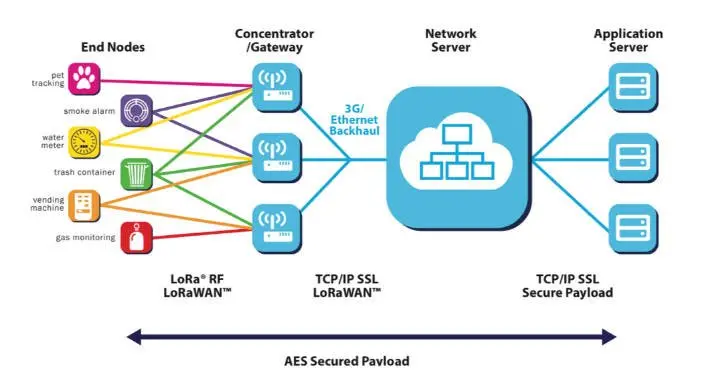
Advantages of a LoRaWAN Network
A technology like LoRaWAN allows you to know the status and control the different elements of sensors and control of your installation in a simple and viable way because:
- There can be hundreds of meters or kilometers between the nodes and a Gateway.
- Its low energy consumption allows to extend the life of the batteries for years.
- It is very quick to learn how to use it.
- Security in communications at all levels.
- Interoperable architectures with the control systems already installed.
- Its technological characteristics make it an appropriate technology for all industrial and infrastructure environments.
LoRaWAN Gateways
The function of a Gateway is to generate the LoRaWAN wireless network to provide coverage to the nodes, communicate with the nodes to receive the information they send or to transmit the pertinent commands to them, and, finally, communicate with the Network Server upstream. A TCP/IP communication is already used for this last step.
While it is true that this architecture is very clear in large LoRaWAN networks, with several Gateways that provide coverage to a large area – a city, for example – for private networks with a single Gateway the system may vary. If the network needs to control a space of hundreds of meters or with a few kilometers between the Gateway and the nodes, a single Gateway may be sufficient to provide coverage to the entire network. In these cases, it is possible to set up an architecture where a dedicated Network Server is not needed, but rather this function is performed by the equipment itself.
LoRaWAN Gateway Range

LoRaWAN Nodes
The nodes are all those final elements of the network, whether they are sensors, actuators, instrumentation, or signal testers.
Depending on the different needs of the equipment, with the aim of optimizing each application, LoRaWAN offers several classes, all of them bidirectional:
- Class A Nodes: Allow bidirectional communication by opening two brief reception windows after each transmission. This class achieves the lowest energy consumption. However, all communications to the device must wait for the device to transmit information.
- Class B Nodes: Additional functionality to schedule reception windows.
- Class C Nodes: Add continuous listening on a channel. This allows devices with sufficient power to listen continuously outside the transmission windows. This class offers the best latency in terms of bidirectional communication. However, they have higher energy consumption because they are permanently alert. It is recommended to use devices with Class C when adequate power is available.
The choice of the class used is a compromise between battery life and communication latency.
Range of Sensors
LoRaWAN Locators
The LoRaWAN trackers combine GPS technology with the benefits of LoRaWAN to be able to position assets or mobile personnel indoors or outdoors. This information can then be sent and processed to third-party applications.
- Real-time location
Get up-to-the-minute information on the exact location of an asset, its estimated time of arrival, its route, and its movement history.
- Activity reporting
Usage is continuously tracked using accelerometers. Notifications are sent when threshold values are reached. Know the utilization rate of your assets, as well as overuse or underuse. - Great autonomy
Long-range connectivity with low power consumption, resulting in prolonged battery life and the lowest total cost of ownership of the devices.
- Monitoring and alerts
Receive immediate alerts when unexpected events occur, such as theft, delays, or route changes.
Make the necessary adjustments to preserve assets.
“Powerful and energy-efficient geolocation, infinite possibilities.”
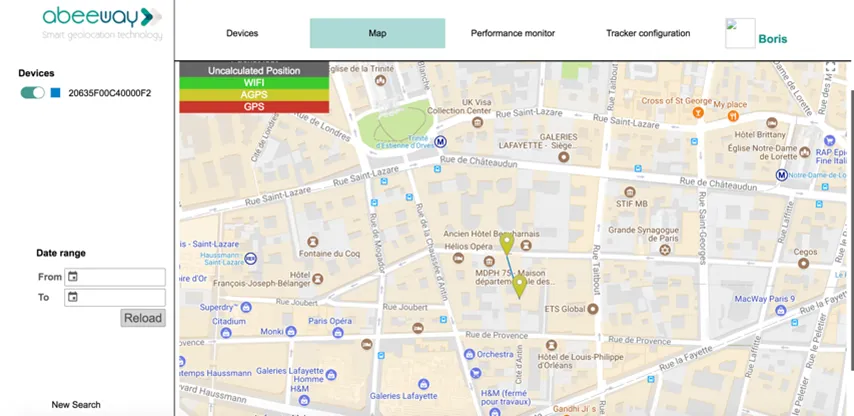
Low-power geolocation that goes beyond simple GPS, simultaneously providing solutions for both indoors and outdoors. Knowing the location of your assets allows for efficient management of them, whether mobile or fixed.
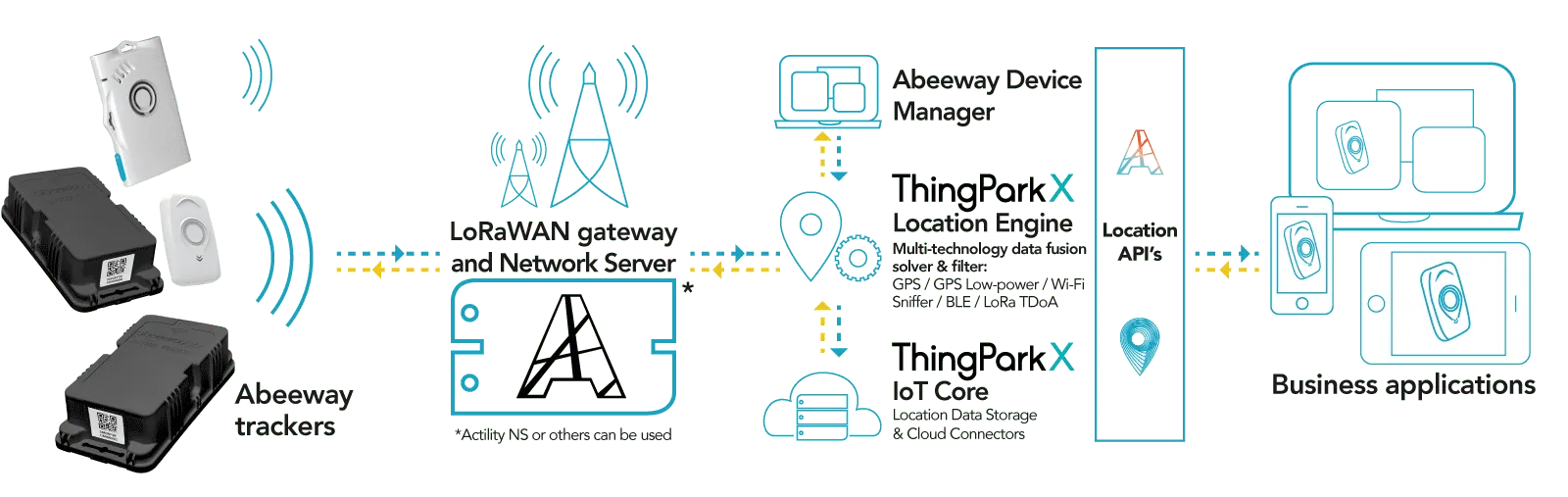
LoRaWAN Tracker Ranges
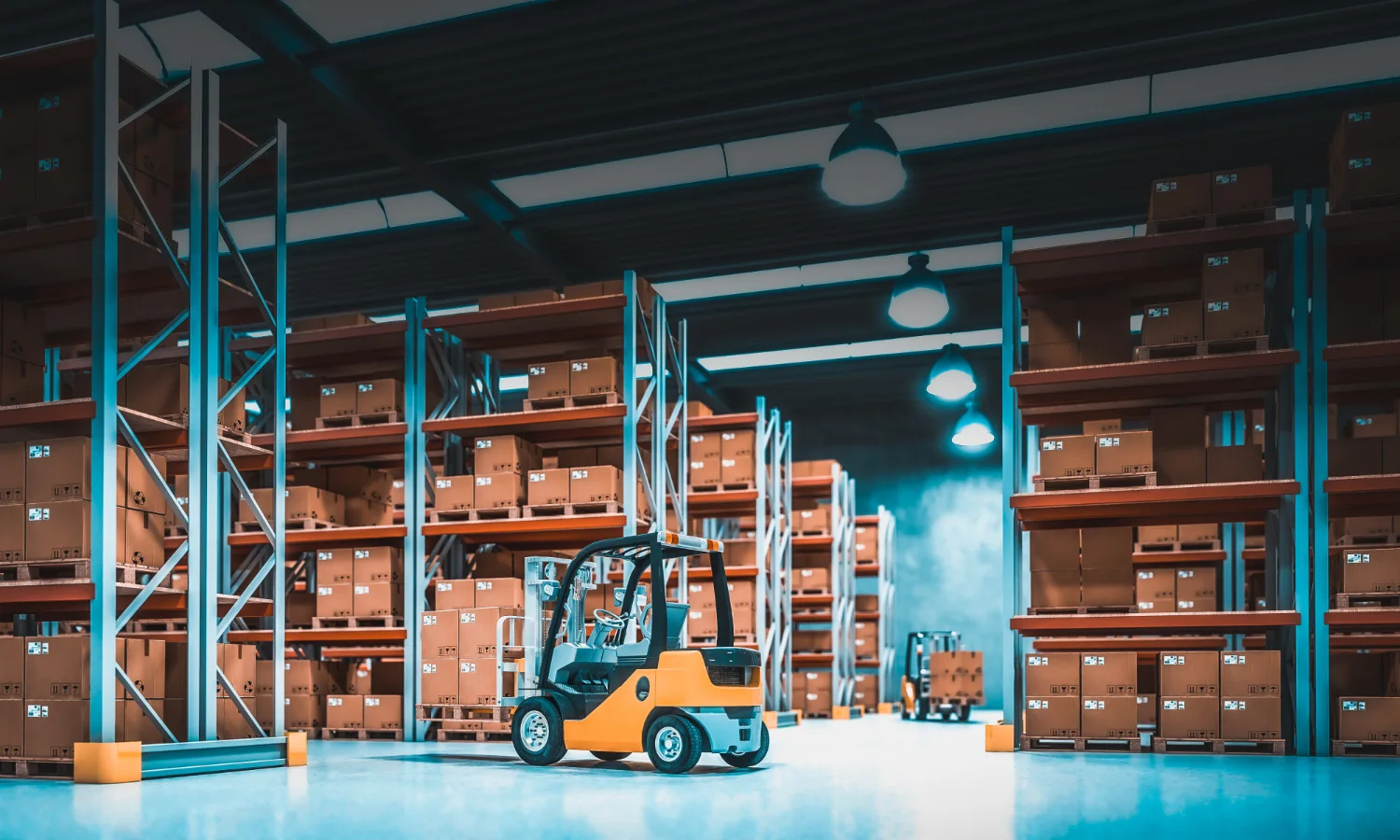
The battery-powered trackers with integrated LoRaWAN connectivity are securely installed on your moving assets, such as trucks, containers, boats, etc. These devices collect real-time location information and operate for years without needing to change the battery.

Eliminate the complexity of managing resources in large batches. Track and monitor the allocation and movement of assets individually with ease and precision. By improving asset utilization, you can better protect your investments and improve delivery performance. In this way, you will have better control of your assets and smoother operations.

Know at all times where your mobile staff is located. Reduce risks for your company and employees. Provide the care your workers need, even in the most remote workplaces. Contact emergency services faster: implement “panic button” solutions in the face of risky situations for your employees.
Get in Touch with an Expert
Fill in your information and we’ll contact you.
"*" indicates required fields