Ensure Optimal Quality in your Factory
Quality is a fundamental pillar in the process industry, although conditions are not always favorable. Dare to try some methods that will help you achieve it.


Factories have periodic inefficiencies that, if not identified in time, can lead to harmful long-term consequences. Specifically, as we saw in the previous article, the process industry could suffer considerable losses in competitiveness and service if it does not find these anomalies. One of them is what is known as “non-quality.”
“Non-quality,” the Quintessential Production Stopper
The concept refers to those situations in which a product does not meet the established quality and safety standards. This is due to deviations in composition, packaging problems, sensory defects, the presence of contaminants, or non-compliance with health regulations, among others. When this occurs, the product is considered non-compliant and cannot be sold. Instead, it ends up being discarded or reprocessed.
In the first case, the result is very unfavorable for the profitability of the plant, as it represents a lost investment in terms of materials, labor, and resources allocated to its manufacture. If the product is reprocessed, the situation does not improve: production resources are used that could have been used for new orders.
Good News: there is a Solution
There are several tools that can help you improve quality management in your factory. Depending on your weaknesses, one solution or another will be chosen:
Process Digitization
To begin with, the digitization of processes allows you to visualize and manage in real time everything that is happening in your plant. With this resource, you can improve productivity, sustainability, and flexibility in the different manufacturing phases, while facilitating quality and compliance with regulations.
Automatic Sequencing of Steps
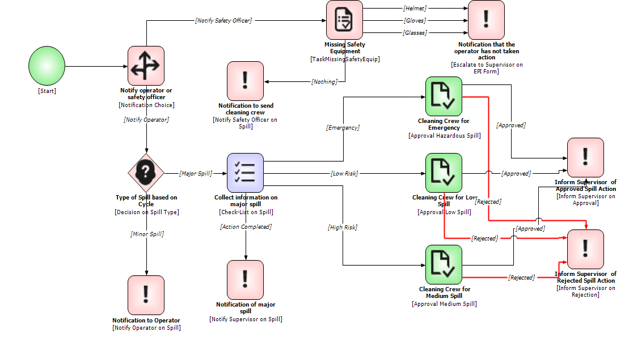
In addition, the automation of production processes ensures that each step is executed in a sequential and precise manner, reducing the number of possible human errors that may affect product quality. Because prevention is better than cure!

Automatic Sending of Instructions and other Parameters
In relation to the previous point, another way to eliminate human errors is to send live instructions specific to each production formula. In this way, you ensure consistency and precision in each of the phases.

Systems Integration
The integration of the different systems in the factory, such as a LIMS (Laboratory Information Management System), allows for more efficient traceability and early detection of problems. We are talking, therefore, about a very useful tool for laboratory data management and quality control.
Data analysis
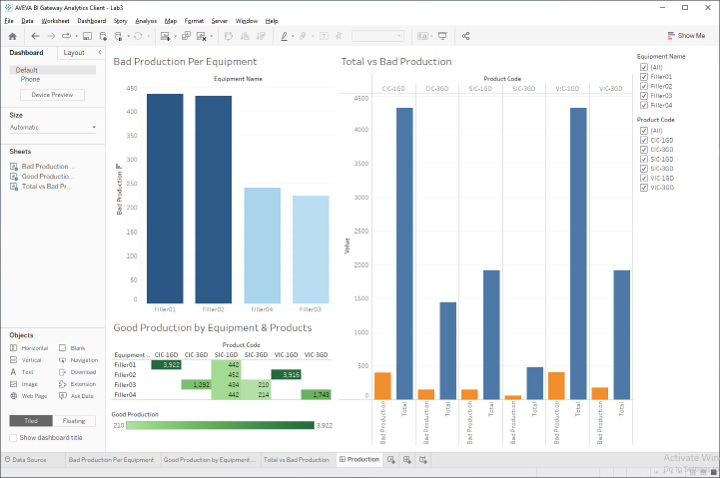
Finally, digitization also streamlines the collection and analysis of data in real time, which can help identify patterns and trends in production processes that could be diminishing efficiency.
Remember that this article is part of a chain of publications in which we teach you how to reduce the inefficiencies caused by your hidden factory. Now that you know how to ensure optimal quality in production, do you see yourself capable of solving the next challenge? Find out soon!