


Power Generation:
Face the Classic Generation Model
Do not let energy production overwhelm you. Adapt it to your needs.
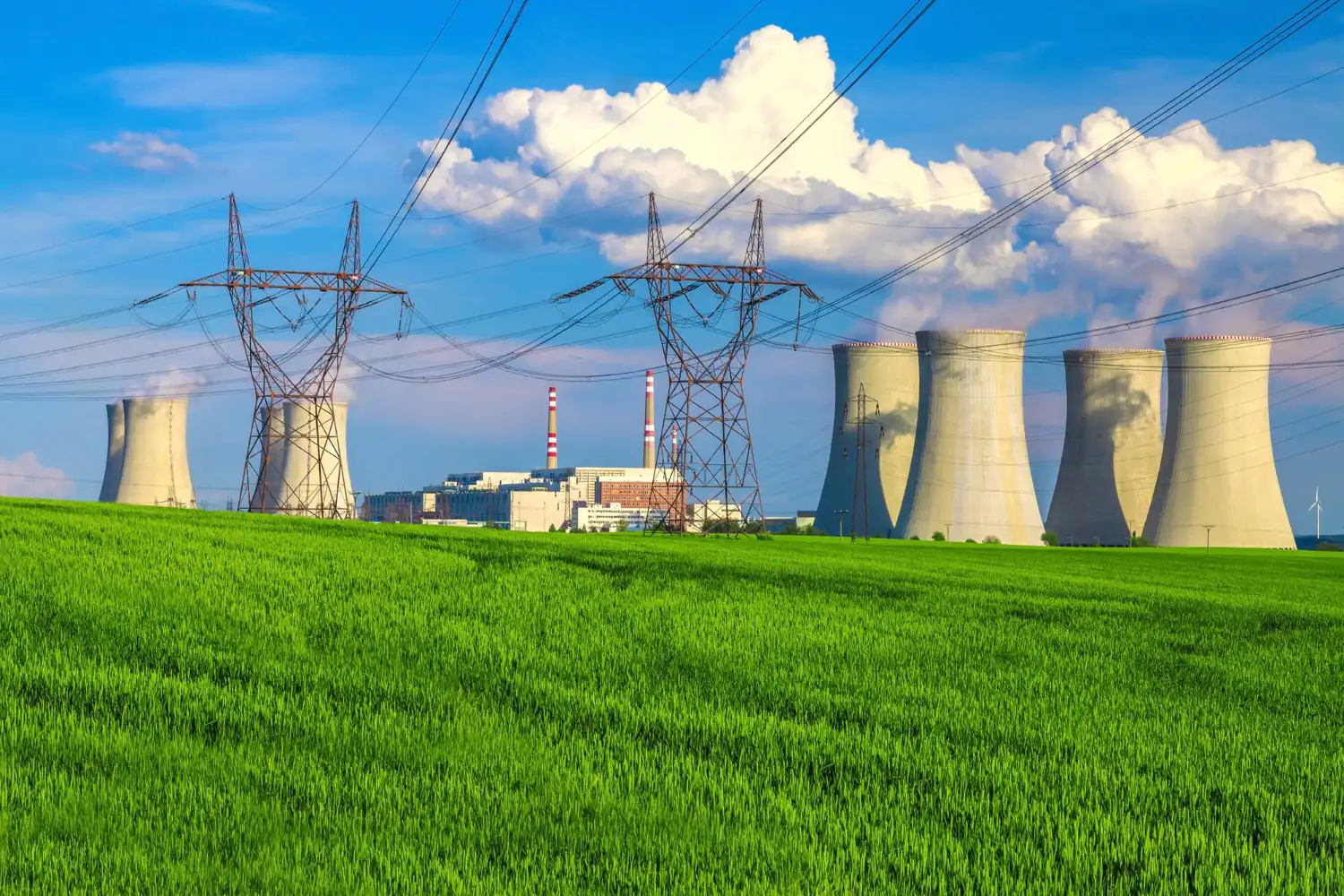
Make your plants work as a team
In an organization, when decentralizing facilities, the need to find a way for them to always be coordinated is automatically generated.
Unified control centers (UOC) allow the management of distributed energy systems from a single location. They only work correctly, however, when they receive data from all the plants involved, something that cannot be achieved without a good communication system. Therefore, the first step to distribute your plants and keep everything standing is to ensure that they will remain connected to each other as if they were still in the same location.
What if they do not understand each other?
Because no matter how much we cut distance, we can find equipment from different manufacturers, protocols, and ways of working. The multitude of incompatible protocols, in an environment that is at least heterogeneous, leads to an even greater separation between plants and limits interoperability.
KEPserverEX, OPC Router or Cogent Datahub are solutions that achieve a unique and effective integration of the different IT-OT systems and protocols.
Welcome RTUs
On the other hand, remotes such as LKRemote are capable of communicating the IEC-61850 and IEC 60870 protocols used in the energy sector with the main protocols used in the industry (Modbus TCP or RTU, Siemens, MQTT, OPC UA, etc.) and through multiple communication interfaces (Serial RS-232/485, Ethernet, 3G/4G).
Capture field data
In addition, the capture of field data, through sensors that measure physical or chemical magnitudes (waves, temperature, vibration, pressure, etc.), enables the collection, processing, and transfer of information remotely between devices. Thus, the kilometers between facilities are no longer a concern.
A change of perspective more than necessary: goodbye to the networks of a lifetime?
A decentralization of the energy system is inconceivable without a modernization of existing networks. While it may be too utopian to think of a total elimination of these, the truth is that traditional infrastructures must, at a minimum, update and improve their material.
Cables and transformers aside, there are advanced measurement technologies that can help these networks justify sustainable energy consumption. Depending on the demand of homes and businesses, these tools dose the energy delivery for each case. In the same line, advanced control is not exclusive to decentralization: with smart substations, traditional infrastructures have the power to monitor their systems to detect and solve irregularities in the network like lynxes.
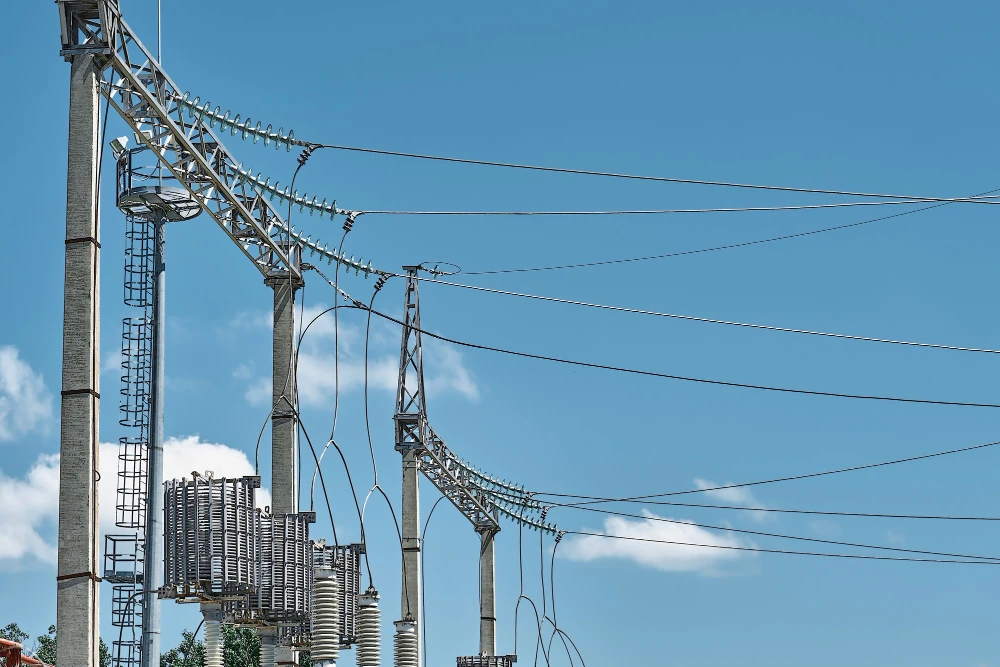
It is not, therefore, a matter of saying goodbye forever to traditional networks, but of working to plan their adaptation to energy evolution in the long term. A scenario of coexistence is more than possible, but only if it implies a commitment to flexibility in the face of change on the part of the infrastructures involved.
A good way for the most conservative stations to start sounding like the future is the incorporation of distributed energy sources, such as solar panels or small wind turbines, beyond their usual network. For this to work, the distribution systems must be updated accordingly and, in addition, it is necessary to invest in equipment that ensures a safe and efficient connection of these green resources. With a unified control center for all stations, the possible differences are more than settled.
Get in Touch with an Expert
Fill in your information and we’ll contact you to handle your request.
"*" indicates required fields