Three Ways to Reduce Generator Set Maintenance Costs with Remote Management
Keeping track of a fleet of power generators can be a confusing experience. It is difficult to focus on the right actions simply because there is not enough information about the fuel levels, oil pres...


Keeping track of a fleet of power generators can be a confusing experience. It is difficult to focus on the right actions simply because there is not enough information about the fuel levels, oil pressure, or battery status of each generator. With a cloud-based remote management solution, you can have immediate online access to generator parameters through a common web browser.
1. Perform maintenance on generators only when necessary
Generator maintenance is typically performed according to a predetermined service schedule. Understanding how the generator has been operated allows for more dynamic maintenance planning. Since on-site travel is costly, maintenance costs can be optimized by sending service teams only to generators that actually need service.
The challenge is knowing when service is needed on each individual piece of equipment. With a remote management solution, you can check operating hours, oil pressure, battery status, coolant temperatures, generated power output, fuel level, GPS position, etc. A notification can also be generated each time a critical level is reached, for example, if the generator has been running longer than expected. A notification can then be sent when operating hours exceed the service interval.
By being able to analyze the operation of each generator remotely, you will be able to understand its health status and more efficiently schedule maintenance checks.

2. Start generators remotely to reduce starting problems
Similar to a car that has been parked for an extended period, a generator engine that has not been running for a long time is likely to have starting problems. For backup power generators that are not operated very often, it is important to perform operational tests regularly.
Remote test starts can be performed with a remote management solution that has control capabilities and is connected to the generator controller. With a simple action, such as a remote operational test, the probability that the generator will work on the day there is a power outage and the generator needs to operate can be increased.
A well-maintained generator runs better and has a lower operating cost, as unplanned maintenance actions often involve considerable expenses.

3. Minimize and reduce the effects of fuel theft
Fuel theft can be a significant problem. In certain regions, thefts of up to 40% of generator fuel have been reported.
Avoiding fuel theft completely can be difficult, as it is often stolen in small quantities; during transport, when refilling the tank, or when the generator is already at its destination. However, a remote monitoring system that connects to a fuel sensor can be used to ensure that the correct amount of fuel is delivered each time the tank is refilled.
By using a smart level sensor, it is possible to monitor the fuel level of the tank at all times. The fuel sensor can be calibrated to detect a full tank, and by knowing this, it can be verified that the tank is indeed refilled correctly. A good fuel level sensor is capable of detecting variations of up to 3-5 liters.
An abnormal decrease in content can be detected and indicate that fuel is being stolen. With a remote monitoring system that supports alarms, a notification is sent immediately when the theft occurs. Although it may be difficult to catch those responsible, it allows you to know that fuel has been stolen and a refill can be scheduled to ensure that the generators have the fuel needed to operate.
Tracking the fuel level in a tank increases awareness of what is happening with the fuel in the field and helps users understand when thefts occur. In some cases, when dealing with organized actions, this can help detect patterns and take action.

Remote Monitoring Puts You ahead of the Game
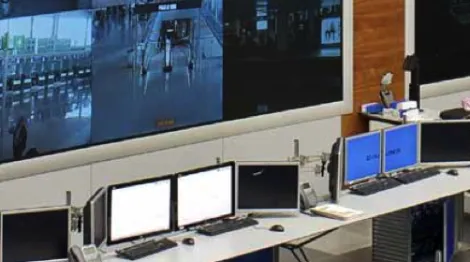
Remote monitoring technology allows instant access to equipment data in the field. While this technology can be used to reduce operating expenses as described above, it also provides other benefits. By being able to have full control 24 hours a day and receive instant notifications of any operational problems, the end user also receives a better quality of service.
How Cloud-Based Remote Management Works
A communication gateway connects to the generator control panel, usually via serial communications or using a standard protocol such as Modbus RTU. The gateway sends data over the Internet or mobile network (4G/GSM/GPRS) to an online data center in the cloud.
Technicians can access the data center through a common web browser or smartphone and view live data from the generators. This means that no IT or programming experience is needed. Alarms and notifications are sent whenever certain thresholds are reached.
So, What should I Consider when Choosing a Generator Remote Management Solution?
It should be considered that the solution must be able to send information through the mobile phone network, as many generators are located in remote places without Internet access.
It is also important that the solution is “firewall friendly”. This means that the solution is able to “bypass” firewalls and securely send information outside the user’s IT system. Some remote management solutions need to open a communication channel to the remote installation, which requires direct IP-based access to the equipment (or gateways at the remote sites).
This normally involves opening incoming ports in firewalls, which is not ideal from a security point of view, or establishing VPN tunnels, which can be difficult to manage if you have a large number of installations. Best practices are, instead, to allow the remote gateway to open a communication link using outgoing ports that are normally open, for example, port 80 used for web traffic. This ensures secure communication with the field and does not require any administration or network changes for IT managers.

Another key aspect to consider in a remote management solution is whether it has any pre-configuration for generators. Some remote management solutions have specialized predefined configurations for a range of control panels from different manufacturers, as well as integrated features for fuel level management, etc.
Most modern remote management solutions offer different levels of service for cloud access. Free versions with basic functionality offer a very fast return on investment.
No matter which solution you choose, the ROI will be fast. A trip to the field usually costs the same as a single remote management gateway, which means you can have a return on investment in just a few months.